Friday, June 11, 2010

Lessons Frozen in Time

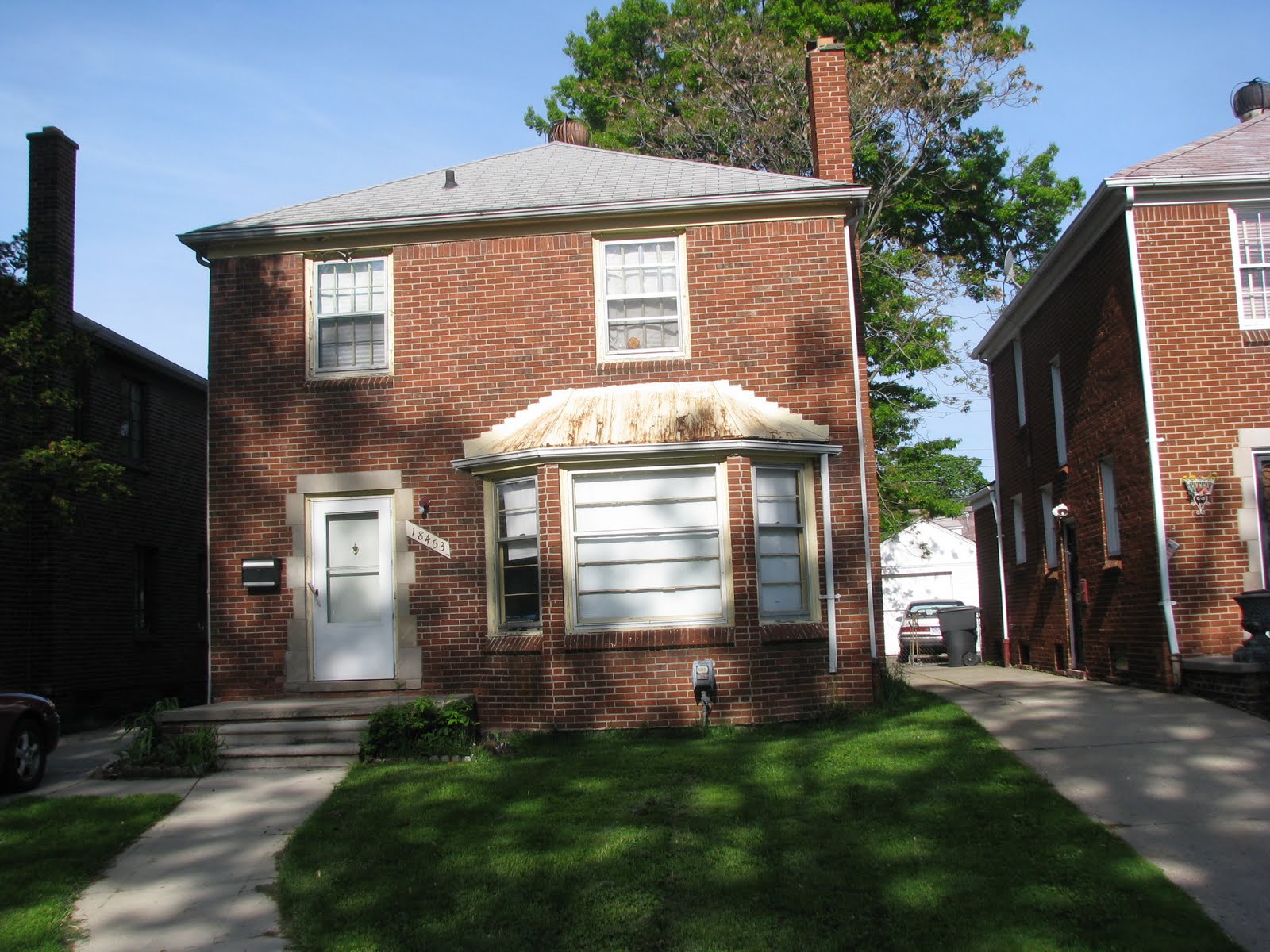
During the summer of 2009, I surveyed the condition of over 80 Detroit Housing Commission single-family homes scattered through-out the City of Detroit. We would ritually unwrap hermetically sealed homes and disturbingly step into them fully furnished and untouched from the minute they were sealed. We became unwilling peeping toms, accidentally spying on personal belongings. We would survey every room, inadvertently glimpsing table tops with notes to love ones, walls with pictures of friends and relatives, closets filled with clothing, and pantries still filled with groceries. I imagined an elderly person, whisked off in an emergency, never to return. Their memorial: a boarded home filled with a lifetime of unclaimed memories.

These homes are filled with lessons. They are a frozen moment revealing the meaning of home. As we renovate them, there's an opportunity to listen to their spirit. To take notice of duct taped drafty windows, abandoned security systems, basements converted into bedrooms, mildewed bathroom floors, grease stained kitchen walls and double bolted bedrooms doors. It would be easy to ignore these simple observations, but if you listen closely, one can hear its spirit teaching lessons in home weatherization, energy conservation, aging-in-place and barrier-free design. These homes are laboratories waiting to reveal how to bring Detroit into the 21st century. The question becomes, is anyone listening?




Monday, May 17, 2010

Socially Responsible Architecture


Just over 1% of registered architects in this country are African-American. Though I'm proud to be part of this 1%, I find it sometimes challenging finding professional satisfaction and reward. I chose this profession hoping to help solve the ills plaguing urban communities. Professor Craig Wilkins, in his book Aesthetics of Equity, expresses my frustration through the words of Jacqueline C. Vischer:
...the profession's adherence to the belief that architecture's greatest aspiration is to be inspired by artistic vision, [implies] that anything that is not is, by definition, lesser. As result, although another person might produce architecture that is socially responsible, cost effective, technically innovative, or meets some other criterion of excellence, it can never be quite as excellent as "art"...[In fact], for some contemporary architectural theorist, achitecture that is inspired by an artistic vision cannot solve social problems and cannot even play a role in social change if it is to be "pure" as an art form.

As I review the projects I've been part over the past 17 years, I find inspiration in their social value. I have always valued being part of projects that are generated by a community need. Projects that are driven to have an immediate affect on a community's condition facilitate a building's link to community.

This is what I hope to share. My goal is to post images of projects that reveal this correlation. And along the way, raise the importance of an aspect of architecture that is frequently ignored. To reveal the role a socially responsible architect can play in rejuvenating the forgotten buildings of Detroit.

Monday, May 10, 2010

A Rehabilative Architect

How does an architect rejuvenate a building? First, the architect must understand its spirit. Second, the architect must meld this spirit with the new life he or she breathes into it. Like a grandchild listening to stories told by her grandmother, these spaces will speak to a past as well as to a present. They will use an understanding of the architect's original intentions to create new innovative and unique solutions. They will allow the ghosts of the past to harmonize with life in the present.

The City of Detroit is at a crucial point in history. A cacophony of political and economic factors has created a moment where the City must define its future. Specifically, a vision for how to breathe new life into the City’s built environment must be defined. The purpose of this journal is to document one architect's journey to find this vision. Future posts hope to reveal the spirit of Detroit's buildings and the rejuvenation of this spirit through designs that speak to both a past, present and a redefined future.